

Centipedes and Millipedes
- Home
- /
- Centipedes and Millipedes
All Services
- Get started
- 2369711478
- Info@infestix.com
- 13950 72nd Ave surrey bc
When Crawling Pests Show Up
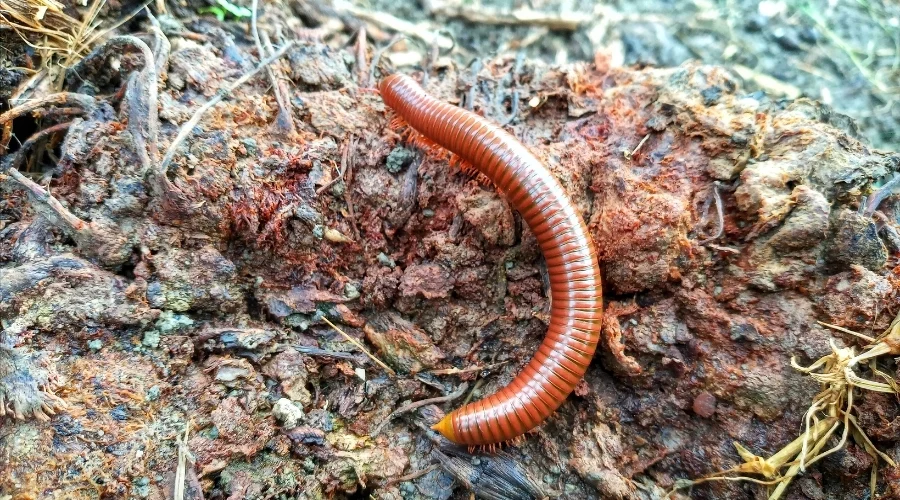
Centipedes and millipedes often appear in places where moisture, shade, and shelter are easy to find. Basements, bathrooms, garages, gardens, foundations, and areas around doors can provide suitable conditions. Seeing them indoors or finding several around the same outdoor areas can be a reason to inspect the property more closely.
Infestix Pest Control looks at the areas where these pests are being found and checks for conditions that may be encouraging their presence. We inspect damp spaces, potential entry points, sheltered areas, and places around the property’s exterior. After identifying the likely causes of activity, we can recommend a suitable treatment approach and practical changes that may help reduce the conditions attracting them.
Services Include
- Centipede activity inspection
- Millipede activity inspection
- Moisture area check
- Basement inspection
- Garage inspection
- Foundation inspection
- Garden area inspection
- Entry point check
- Damp area assessment
The service is built around finding where the pests are appearing and understanding the conditions behind the activity. We assess the property, identify areas that may require attention, and explain the recommended treatment clearly. We can also provide practical suggestions for reducing excess moisture, shelter, and access points that may contribute to recurring activity.
Trace the Source of Activity
Finding centipedes or millipedes in one room does not always mean that is where they are coming from. They may move indoors from damp areas around the building or enter through small openings near foundations, doors, windows, and other access points. We check surrounding areas to help locate where activity may be starting.
Make Damp Areas Less Inviting
Moisture can create conditions that many crawling pests find suitable. Water around foundations, damp basements, garden debris, wet soil, and poorly drained areas can all deserve attention when activity keeps returning. Identifying these conditions can help you make practical changes that reduce the appeal of affected areas.
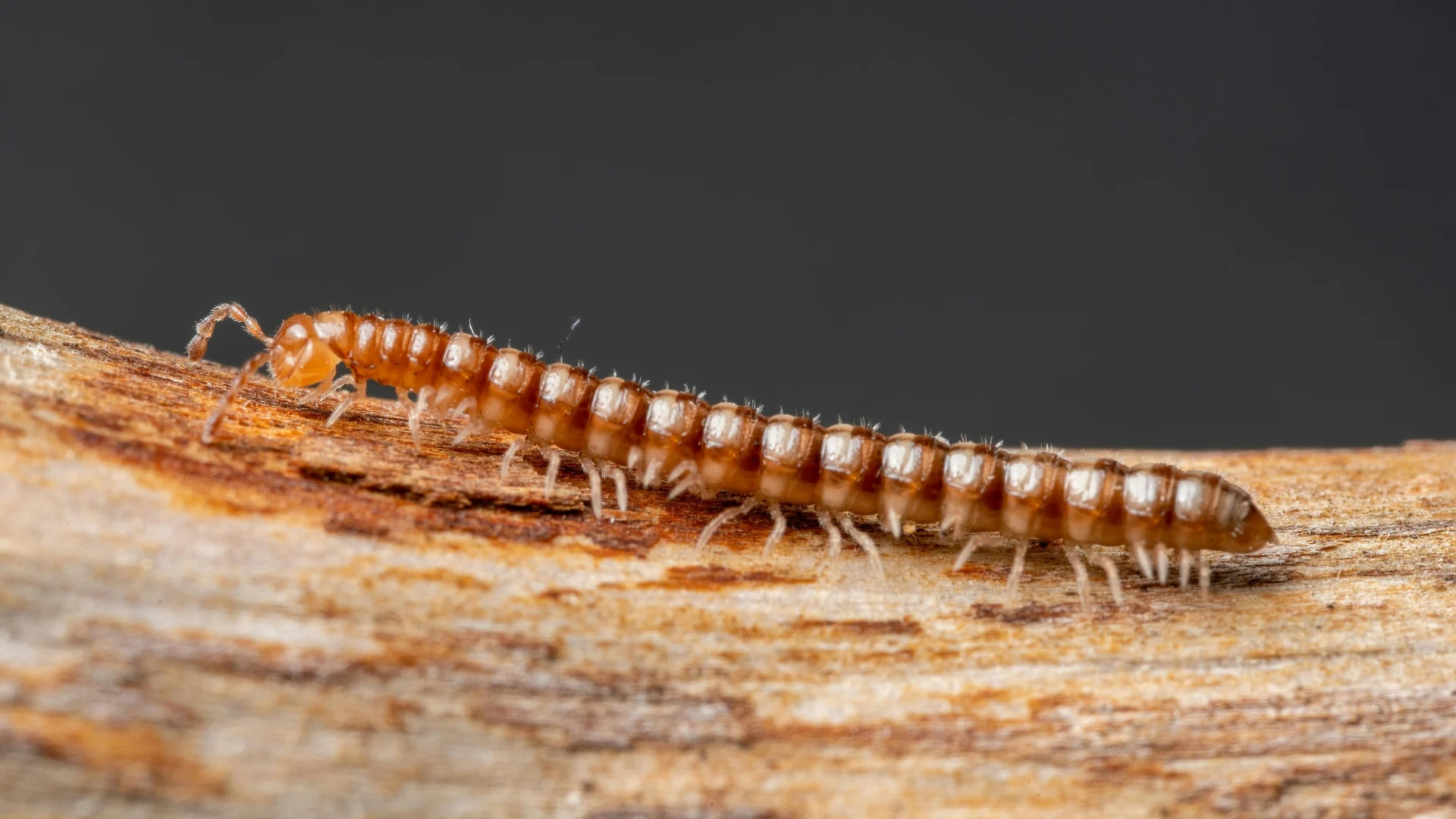
Seal Common Access Points
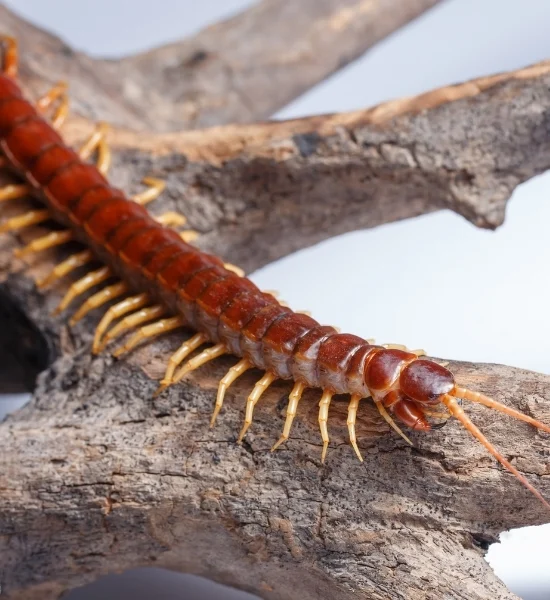
Small gaps around doors, windows, foundations, pipes, and other parts of a building can give crawling pests an easy route inside. During an inspection, we look for potential access points connected to the areas where activity has been noticed. Addressing these openings can help reduce opportunities for pests to enter.
Give Outdoor Areas Some Attention
Centipedes and millipedes can gather around vegetation, mulch, leaves, stones, garden waste, and other sheltered areas outside a property. Keeping these spaces maintained can make it easier to spot activity and reduce places where pests can remain undisturbed. We can identify outdoor conditions that may be contributing to the problem.
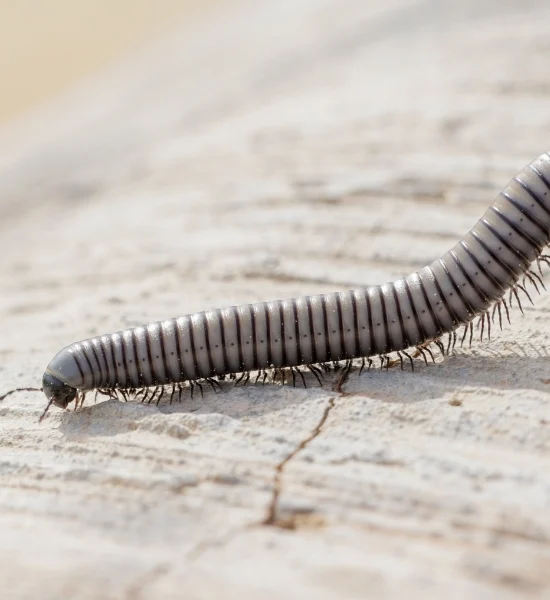
Keep Indoor Sightings Under Control
Repeated sightings in basements, garages, bathrooms, storage spaces, or other rooms can become frustrating, particularly when the same areas are affected again and again. Our treatment focuses on the locations connected to the activity while considering the conditions that may be allowing pests to move into the building.
Respond to Recurring Crawlers
An occasional centipede or millipede may enter a property without indicating a major pest issue. Frequent sightings, however, can point to moisture, shelter, or access conditions that deserve closer attention. We inspect the affected areas and use what we find to guide treatment and practical prevention measures.
FAQ
They may enter because of moisture, shelter, suitable outdoor conditions, or accessible openings around the building.
They often appear in damp or sheltered areas such as basements, bathrooms, garages, storage spaces, and around foundations.
Millipedes are commonly found outdoors in moist soil, leaf litter, mulch, gardens, and areas with plenty of organic material.
Yes. Small openings around doors, windows, foundations, pipes, and other areas can provide access into buildings.
Damp conditions can make an area more suitable for centipedes and millipedes, particularly around foundations and other sheltered locations.
Reducing excess moisture, clearing outdoor debris, maintaining vegetation, and sealing potential entry points can help.
Yes. Indoor areas can be inspected and treated based on the location and level of activity found.
Yes. Pest service is available for commercial properties where these pests are appearing indoors or around the building.